Saving Is the New Flex: Why the Bookmark Button Became the Internet's Real Taste Test

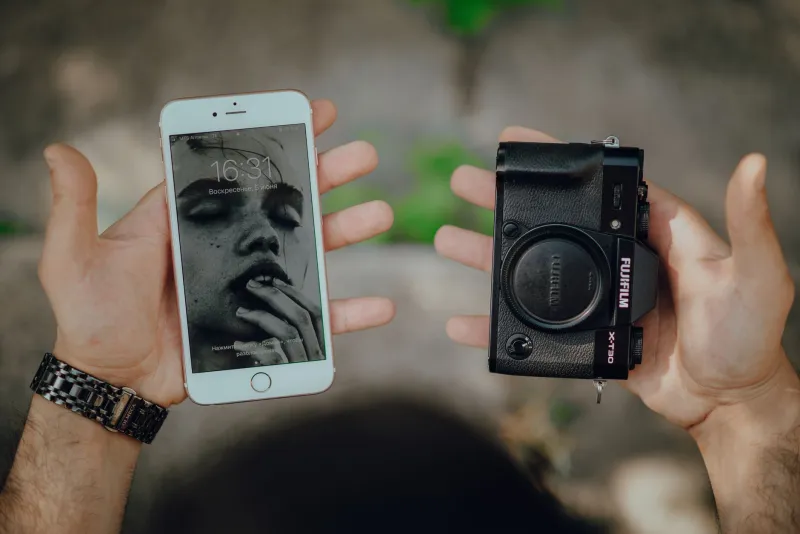
Photo by Photo by Salomé Watel on Unsplash on Unsplash
Likes are the internet's applause. Saves are the grocery list.
That distinction sounds small until you notice how much weight it's carrying in late 2026. A like says 'I saw this and I'm being nice about it.' A save says 'I want this later, and I'm willing to admit that to myself.' One is a performance. The other is a plan.
That's why the humble bookmark button has quietly become one of the most interesting taste signals online. It's not flashy. It doesn't show up in a big public tally on every platform. But it's the move creators now ask for, platforms increasingly reward, and users make when they're not trying to impress anyone.
Why the Save Button Hits Different
Most social metrics are social. Likes, comments, shares—they all involve an audience, even if that audience is just a friend scrolling past. Saves are different. They're closer to a private note in the margin. You save the pasta recipe you'll probably make, the apartment tour that matches your someday-budget, the jacket you're not buying yet, the video essay you want to finish on a train.
That private quality is exactly what makes saves useful. They're harder to fake and less fun to farm. You can impulse-like a thousand things, but saving takes just enough friction to imply intent. Platforms know this. Over the past few years, saves and bookmarks have become a bigger part of how content gets surfaced, especially on visual platforms and video feeds. Creators have adjusted their language accordingly. 'Save this for later' is not just a polite call to action anymore. It's a survival strategy.
The Metrics Have Quietly Shifted
You don't need to see a platform's ranking code to notice the change. Look at the creators you follow. The ones who understand discovery now often treat saves as the metric that matters most. A video with modest likes and a strong save rate can keep circulating for weeks. A post with big applause and zero saves can vanish by dinner. Saves suggest staying power. They suggest someone wants a relationship with the thing, not just a moment of approval.
This is also why the save button has become a small status symbol among people who pay attention to internet culture. Your likes are public. Your saves are a fingerprint. The folder of recipes, haircuts, tiny apartments, obscure documentaries, and weird little road stops you've collected says more about your taste than any grid post ever could.
What This Means for Cool
For a long time, cool online was about being seen liking the right thing at the right time. Now it's drifting toward being the person who keeps the good stuff. The friend with the cursed-but-perfect saved folder. The one who sends a link to a diner in another state because they remembered you like pie. The one whose saved collection feels like a mixtape made by someone with a personality.
That's a healthier definition of taste, honestly. It rewards attention over performance. It lets you like something without making a public statement. It makes discovery feel less like a popularity contest and more like building a personal library.
A Save Is a Tiny Promise
There's a catch. Saving can become its own kind of clutter. The folder fills with recipes you'll never cook, workouts you'll never do, and 47 versions of the same linen shirt. A save is a tiny promise, and promises pile up. If you never return, the bookmark button becomes a graveyard of good intentions.
The fix isn't to stop saving. It's to save with a little more intention. Treat your saved folder like a pantry, not a landfill. You want things you'll actually reach for.
How to Use Saves Without Becoming a Digital Packrat
Start with fewer, weirder saves. If you're saving something because it's impressive, skip it. If you're saving it because it made you think of a specific person or a specific Tuesday, keep it. Make folders with human names—'dinner when I'm sad,' 'places to go with Mom,' 'things that feel like a 2006 summer.' The more specific the folder, the more likely you'll use it.
Do a ten-minute save audit once a week. Delete what no longer fits. Move one saved thing into real life: book the table, buy the ticket, try the recipe, send the link to the friend you thought of. And when you're looking for something new, check your saves before you check the feed. You already told yourself you liked this stuff. Give yourself a chance to follow through.
The New Rules of Cool
The save button isn't glamorous, and that's exactly why it works. It's a quiet vote for the things you actually want, not the things you want to be seen wanting. In a feed full of noise, that's a surprisingly radical move.
So the next time you catch yourself liking something just to be polite, try saving it instead. Or don't. The point isn't to perform the right behavior. It's to notice what you keep. That's where your real taste lives—and it's a better guide to discovery than any public applause meter.
On GoLike, we're all for finding the stuff that sticks. The save button is one of the simplest tools we've got. Use it like a note to your future self, not a trophy for your present one.