I Let Strangers on the Internet Pick My Couch, My Haircut, and My Dinner — Here's What Happened
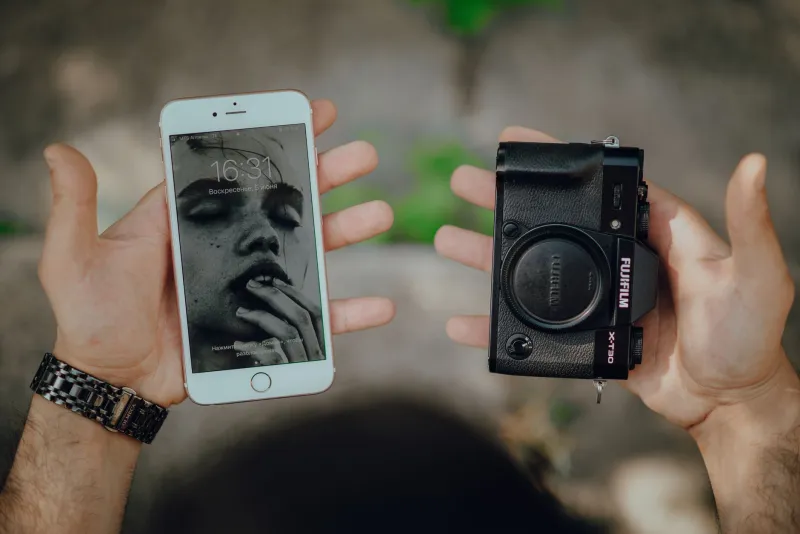
Somewhere along the way, "what do you think?" stopped being a question we asked our best friend and started being a question we asked 4,000 strangers with usernames like @brunch_enjoyer.
If you've spent any time on Instagram stories, TikTok comments, or a group chat with more than six people in it, you've seen it: the side-by-side poll. Couch A or Couch B? Curtain color, engagement ring, baby name, bangs. We are a nation of people who can comparison-shop for 11 hours and then hand the final decision to a stranger in Ohio named Denise.
I decided to find out what happens when you go all in. For one week, every decision — purchases, outfits, dinners, my actual haircut — went to a poll. Here's the field report.
Day One: The Couch Referendum
I posted two nearly identical gray couches and asked the internet to choose. The responses came fast and opinionated. One camp argued for comfort. Another insisted couch choice "says a lot about you as a person," which felt aggressive for a Tuesday.
Couch B won by a landslide. When it arrived, it was fine. Genuinely fine. But here's what surprised me: I felt zero buyer's remorse. None. Because when you outsource the decision, you also outsource the regret. If the couch is wrong, that's Denise's fault. This might be the most underrated mental health intervention of our time.
The Haircut Incident
Let's be clear: letting the internet pick your haircut is where the experiment got dangerous. I posted four reference photos. The winner was a bold choice. Extremely bold. The comment section was split between "that's so you!" and "do NOT let these people make this decision for you," which, in hindsight, was the correct faction.
I got the haircut. My barber paused, looked at the photo, looked at me, and said, "You sure?" I wasn't. I did it anyway. It's... growing on me. Literally and emotionally.
Why We're All Doing This
Once the dizziness from the haircut wore off, I got curious about the psychology. A few things seem to be going on:
Decision fatigue is real. The average person makes something like 35,000 decisions a day. By the time you're choosing between 47 nearly identical throw blankets at 11 PM, your brain is running on fumes. Strangers with fresh eyes are, frankly, an upgrade.
Polls are low-stakes social contact. Voting on someone's couch is a tiny, pleasant interaction with zero commitment. It's small talk for the digital age — you get to have an opinion, feel useful, and move on with your life in three seconds.
The comment section is a focus group you didn't have to pay for. Someone will show up to tell you the lamp goes on sale next week. Someone will have owned the cheaper option and warn you about the wobbly leg. Crowdsourcing isn't just emotional — it's genuinely good consumer intelligence.
And then there's the deeper thing: choosing is stressful because choosing means owning the outcome. Handing the choice to a crowd is a pressure-release valve. It turns "I made a mistake" into "we tried something."
The Verdict
By Friday, the scoreboard looked like this: couch, great. Dinner picks, actually delicious — the internet has strong taco opinions. Outfits, hit or miss. Haircut, ongoing healing journey.
Would I recommend full internet delegation? No. But I'd recommend the middle path: do your research, narrow it to two options, then let the crowd break the tie. You get the credit for doing the work and the cover if it goes sideways.
The real finding, though, is why it feels so good. In a culture where we're told every choice is a statement of identity, there's something almost rebellious about shrugging and saying, "I don't know — what do you all think?"
Sometimes the vibe check is the whole point. Thanks, Denise.